
Painting & Drawing
Tang-Inspired Light-Color Gongbi
Style guide
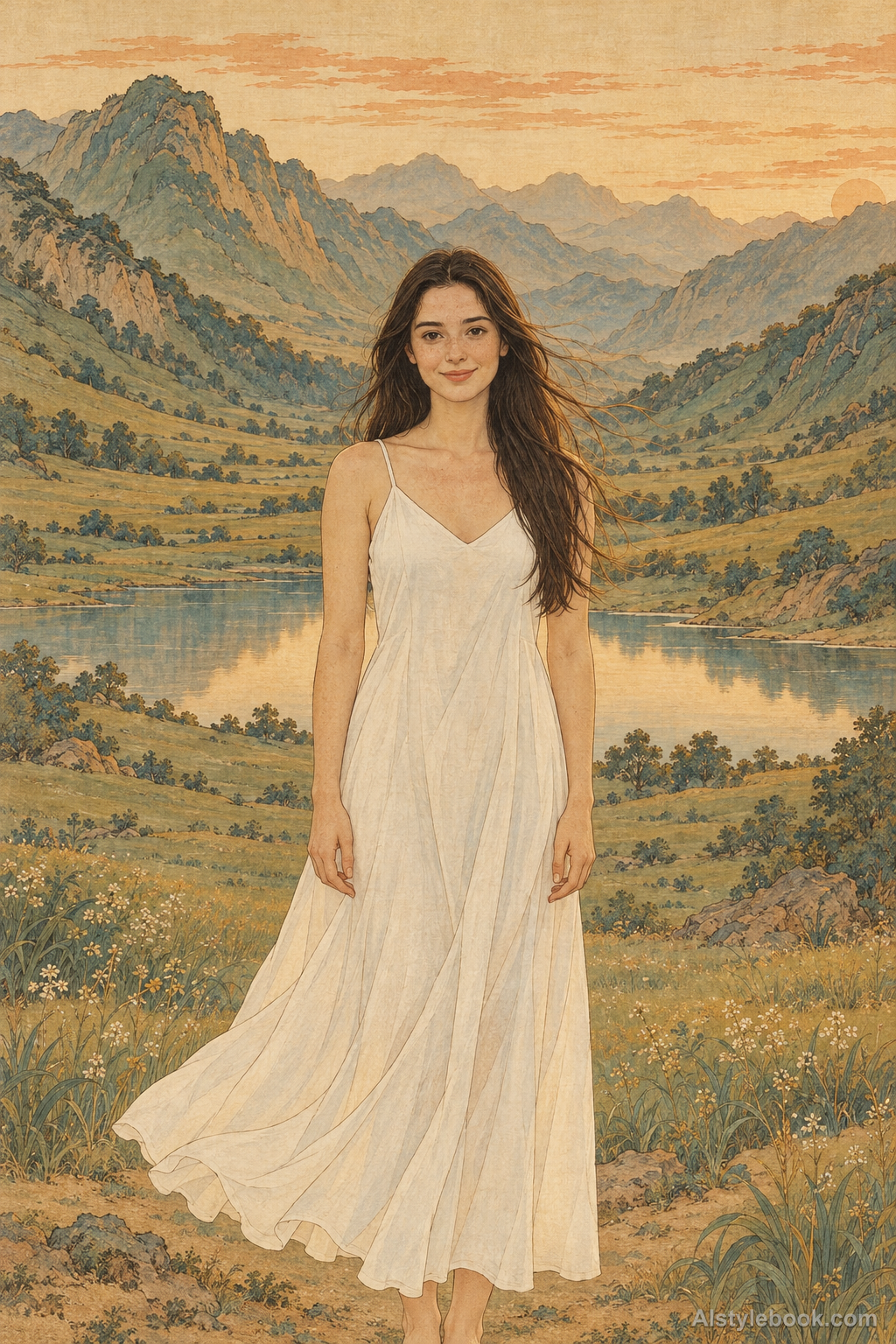
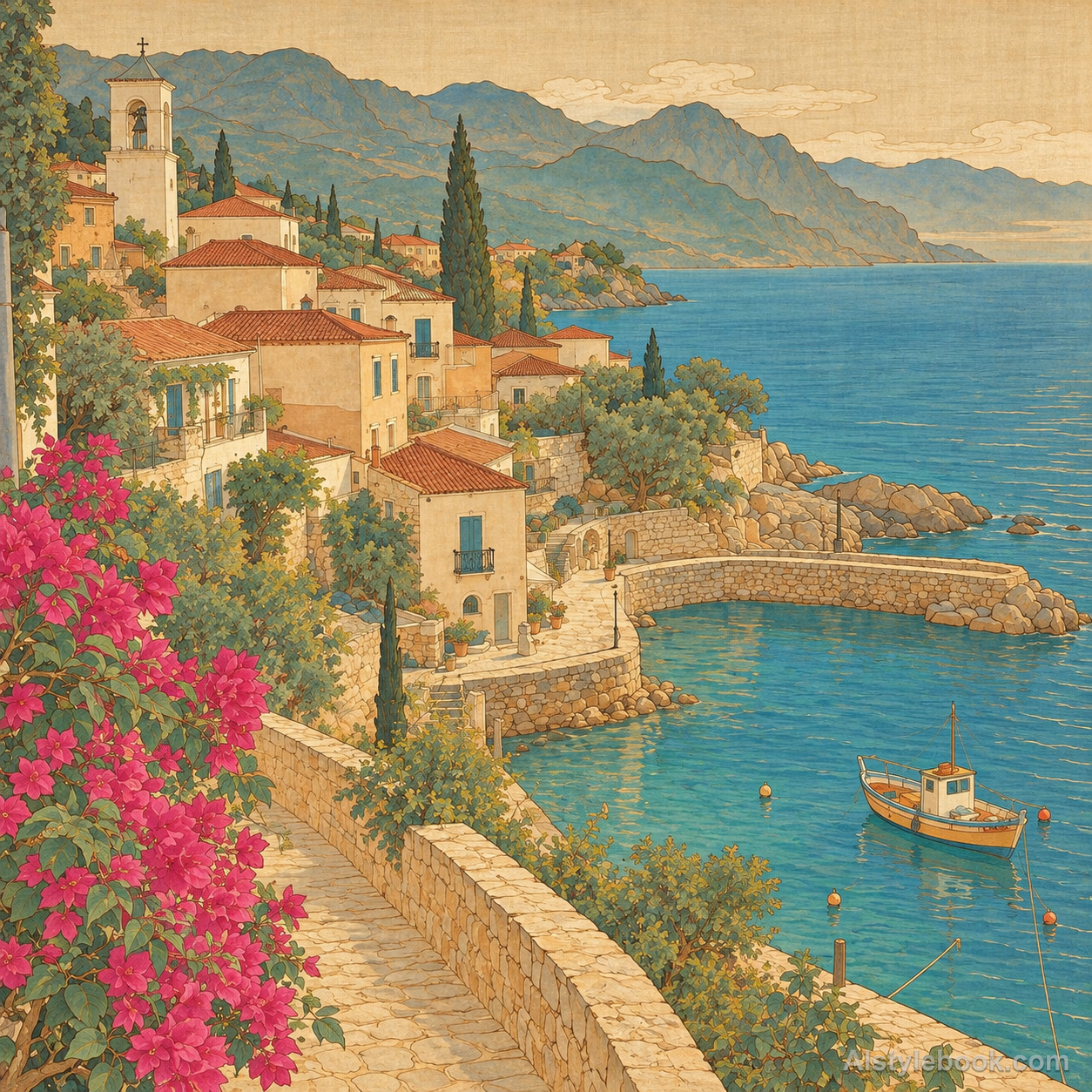
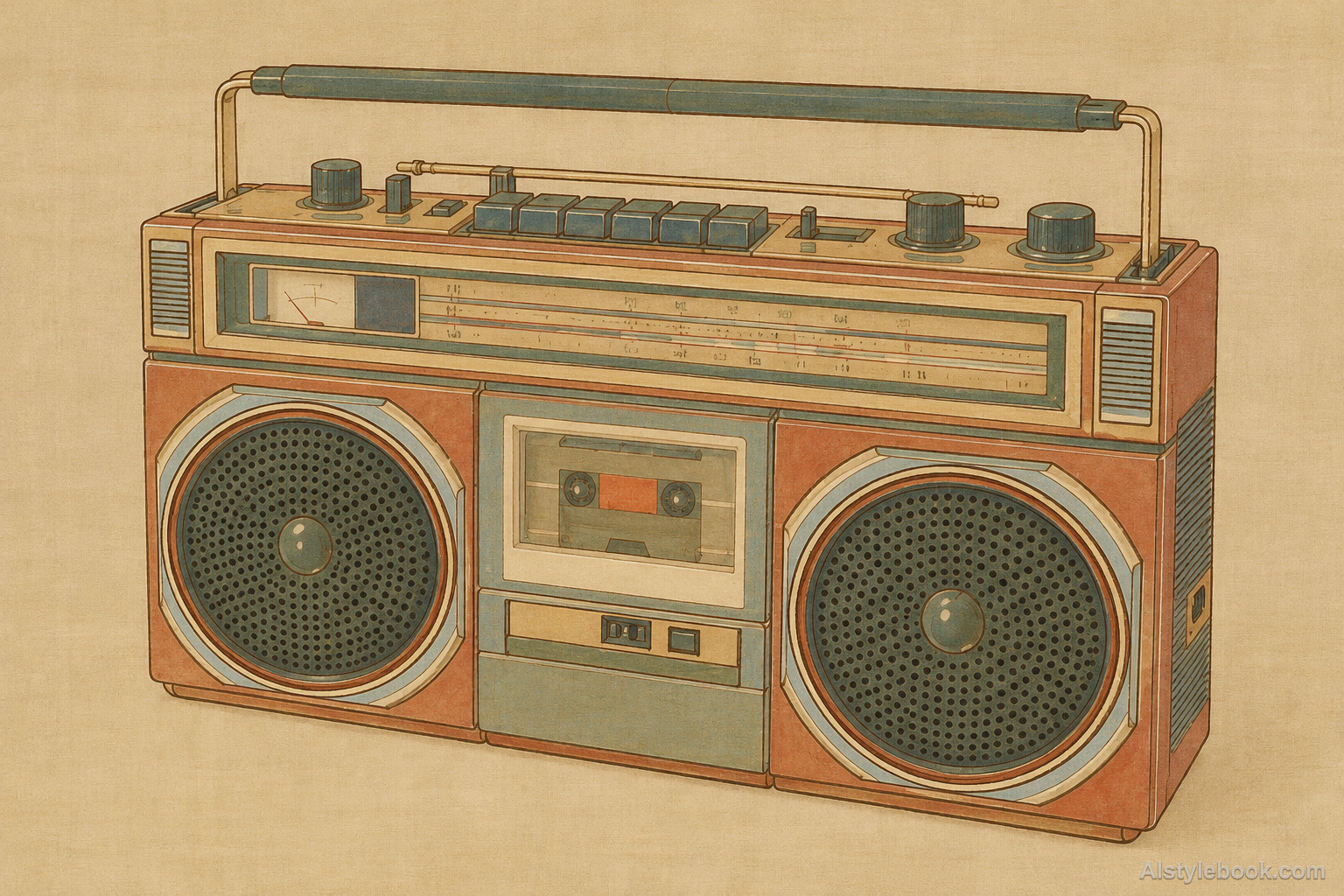
Even fine ink lines organize folds and terrain through long open arcs, with restrained ochre-red, mineral-green and ivory washes.
The visual language
What is Tang-Inspired Light-Color Gongbi?
Even fine ink lines organize folds and terrain through long open arcs, with restrained ochre-red, mineral-green and ivory washes. Full gentle forms favor contour rhythm over minute realism.
Tang-inspired light-color gongbi is a contemporary interpretation rather than a universal description of Tang painting.
Long rounded sleeve lines and restrained color deepening near folds can suggest calm, generous form.
How the style changes different subjects
- Portrait
- Careful outlines and color layers emphasize garments, folds and composed facial expression.
- Landscape
- Ordered contours and color planes separate rocks, trees and buildings into decorative spatial layers.
- Objects
- Fine contours and controlled color clarify vessels and plants while restraining reflective effects.
- Subjects
- Choose figures with readable clothing folds, flowers and birds, layered rocks or fine vessels with room for detail.
Variant relationship
A Tang-inspired line-and-color variant of Gongbi Color Painting. Compare with Gongbi Polychrome Painting.
Compared with densely outlined Gongbi, this interpretation reduces tiny lines and deep modeling, emphasizing long drapery arcs, open contours and quieter ochre-green color layers. Existing clothing is retained; drawing choices carry the period-inspired character.
Bring the style to your photos
Reusable style prompt for Tang-Inspired Light-Color Gongbi
Keep the original identity, clothing structure, pose and scene arrangement. Make a Tang-inspired gongbi color interpretation with fine even dark-umber contours, long open arc-shaped fold lines and generous calm silhouettes. Simplify tiny texture into soft ochre-red, mineral-green, pale blue and ivory color layers on a quiet silk-like ground. Use mild value differences and a gently full contour rhythm, never dense photographic shading. Let architecture and objects share the same elongated line and thin-color grammar. Do not replace the clothes with historical costume, add palace buildings, accessories, Buddhist imagery, seals, inscriptions or decorative borders.Use the same style prompt for portraits, landscapes and objects.
Create with this styleKeep exploring


