
Printmaking & Printing
Aquatint
Style guide
Finely grained ink fields produce stepped tonal values, with acid-bitten edges set against warm-white paper.
The visual language
What is Aquatint?
Grain-like ink dots gather into tonal fields, with light and dark separated into distinct steps. Etched edges meet warm paper, preserving clear boundaries within soft gray.
Aquatint produces tonal areas through a granular resist rather than lines alone.
Three grainy gray levels can describe a misty hillside with clear boundaries and softly textured interiors.
How the style changes different subjects
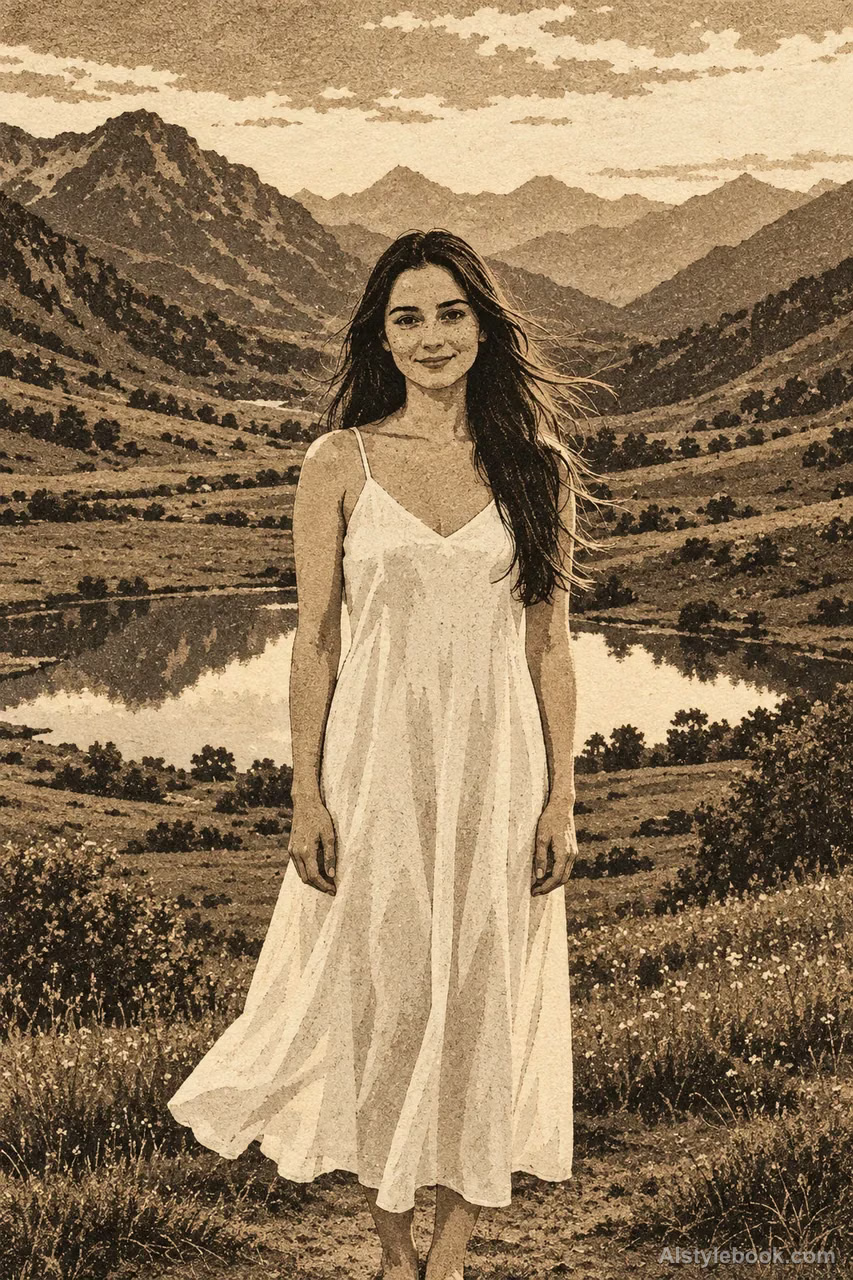
- Portrait
- Fine granular tones replace skin color, allowing soft dark backgrounds to frame expression.
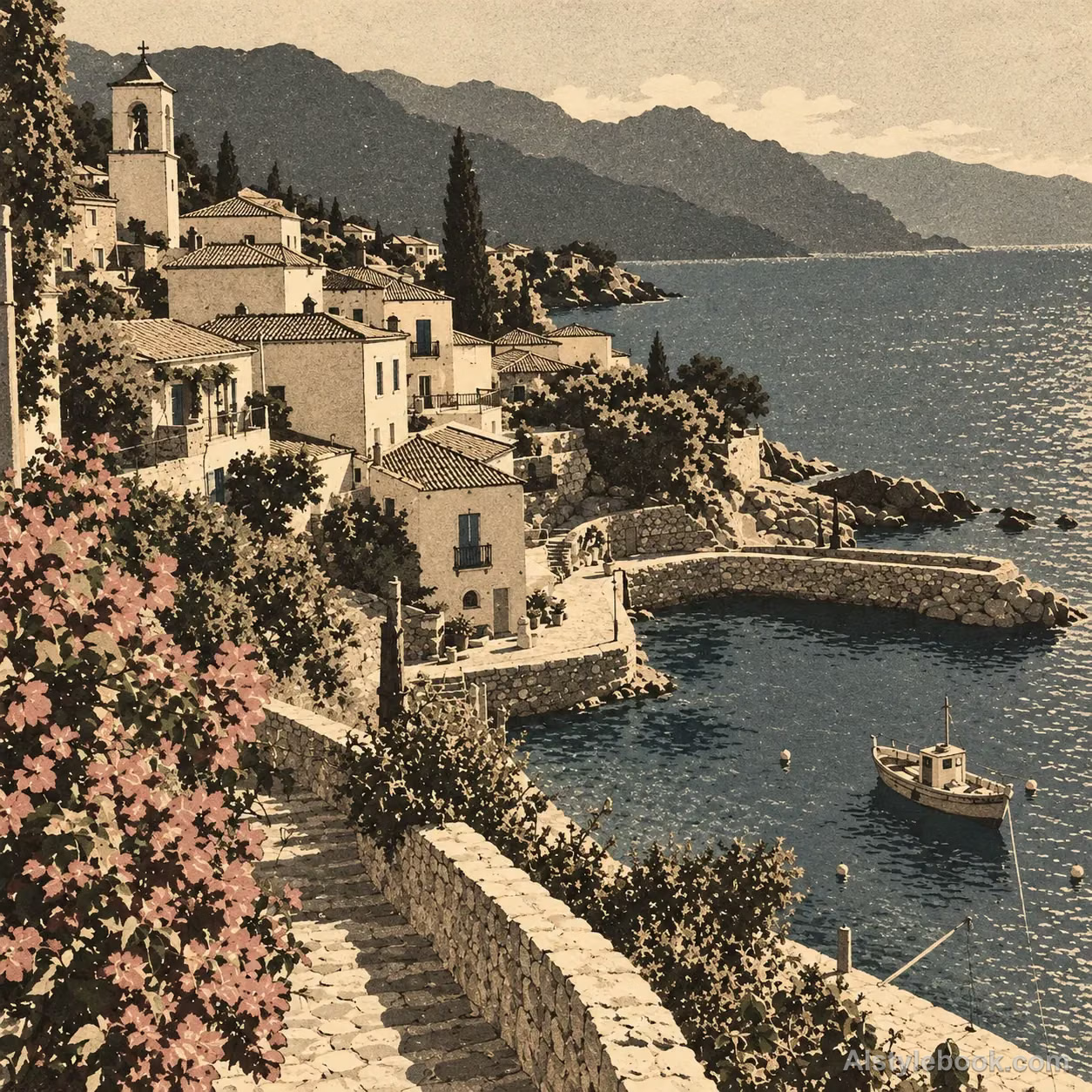
- Landscape
- Sky, mist and terrain become quiet continuous tonal grain.
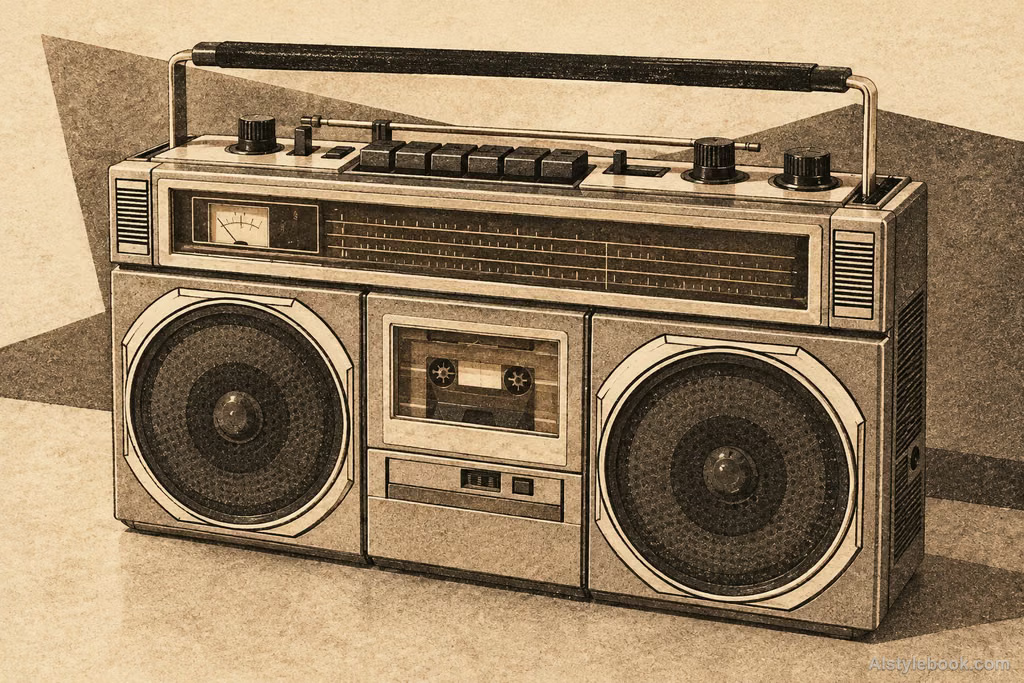
- Objects
- Grain density models objects as highlights emerge from darkness and original color recedes.
- Subjects
- Choose softly side-lit portraits, mist, still lifes or night scenes with varied middle tones.
Aquatint and painterly tone
British printmakers used aquatint to recreate watercolor and painted tones. Goya employed it in series including Los Caprichos (1799) to deepen the emotional effect of light and shade.
Bring the style to your photos
Reusable style prompt for Aquatint
Translate the image into an aquatint tonal print. Construct readable volumes from rosin-grain ink fields, dividing light and shade into several stepped depths of etched tone. Give selected boundaries a subtly acid-bitten edge, using fine outlines only to secure essential structure. Print warm black and deep umber on warm white heavy paper; expose paper fibers in highlights and retain dense, even granular detail in shadows.Use the same style prompt for portraits, landscapes and objects.
Create with this styleKeep exploring


