
Printmaking & Printing
Painterly Monotype
Style guide
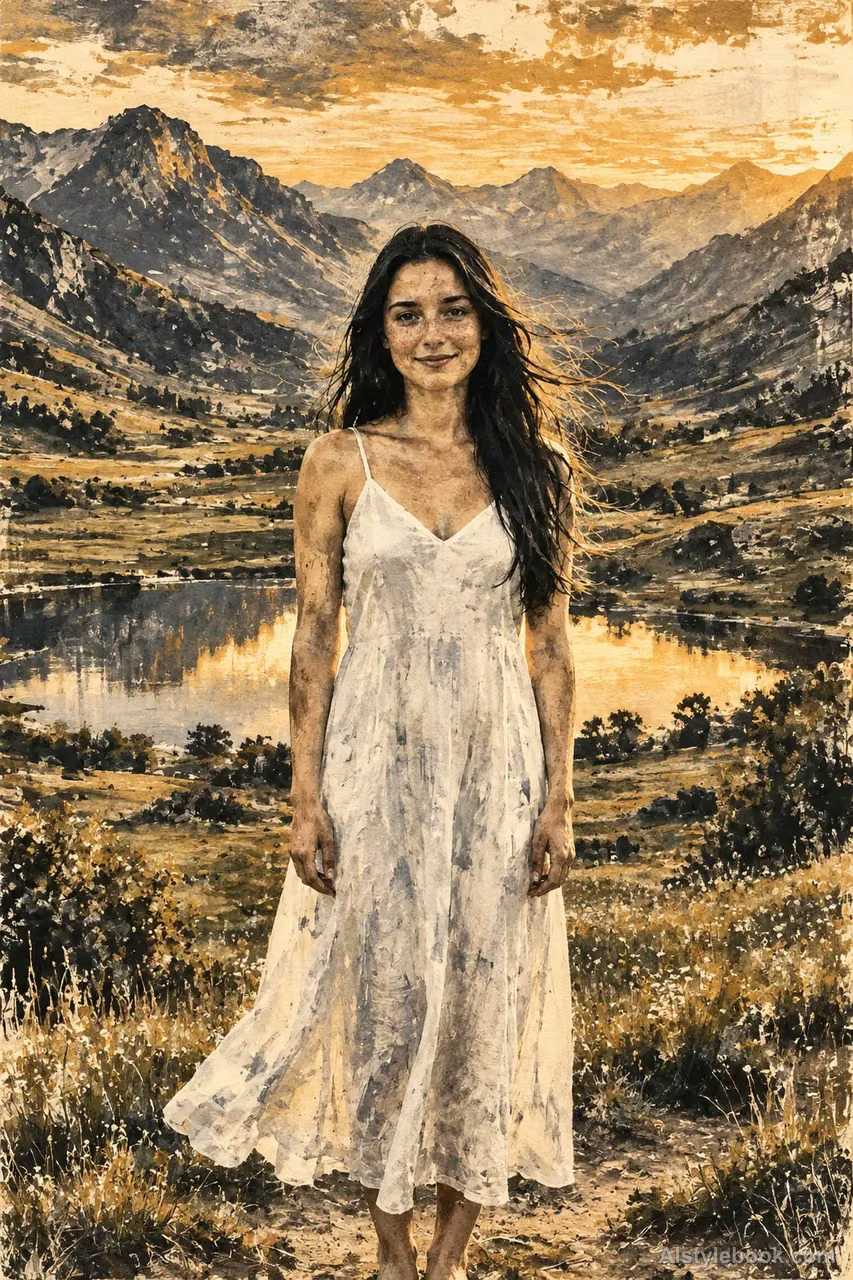
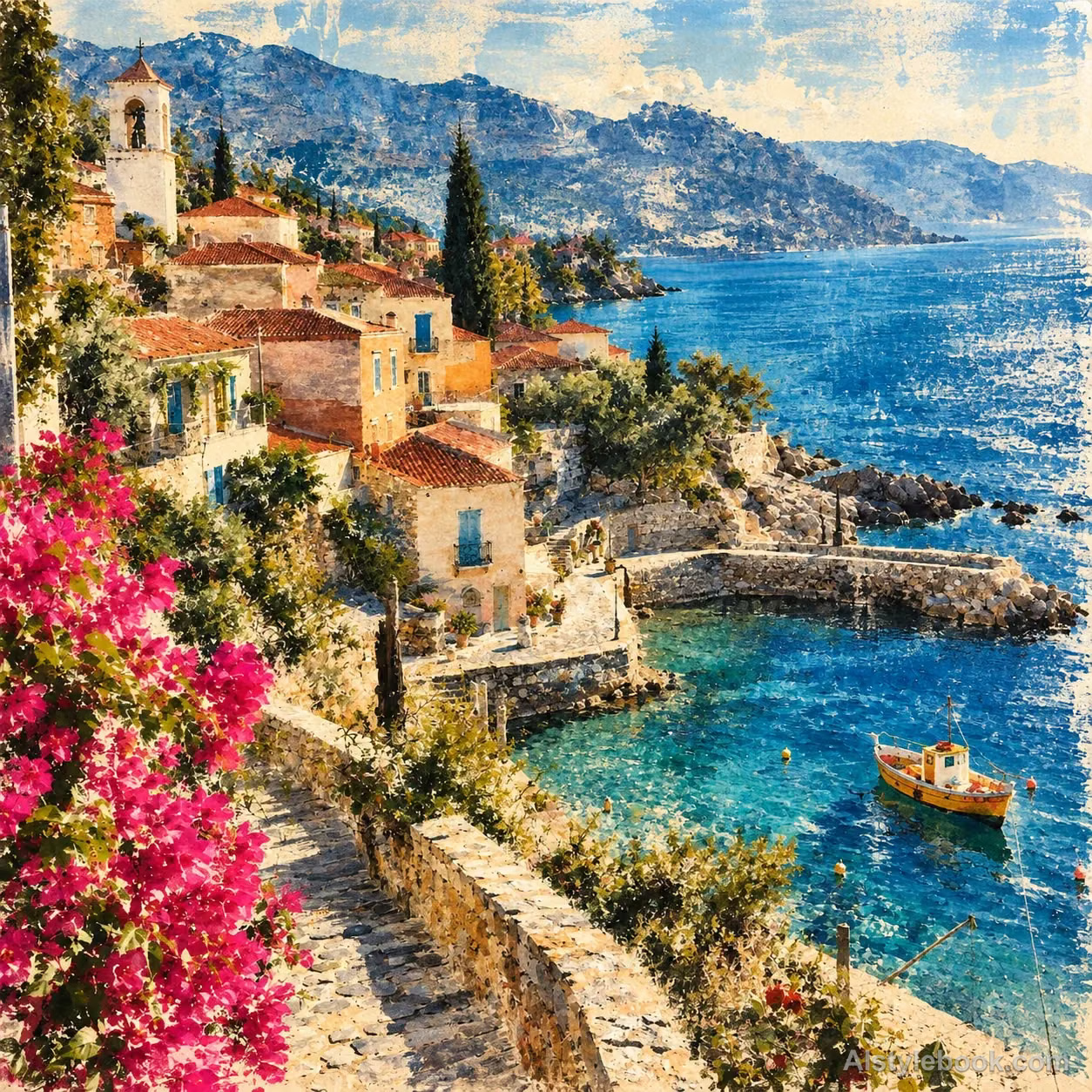
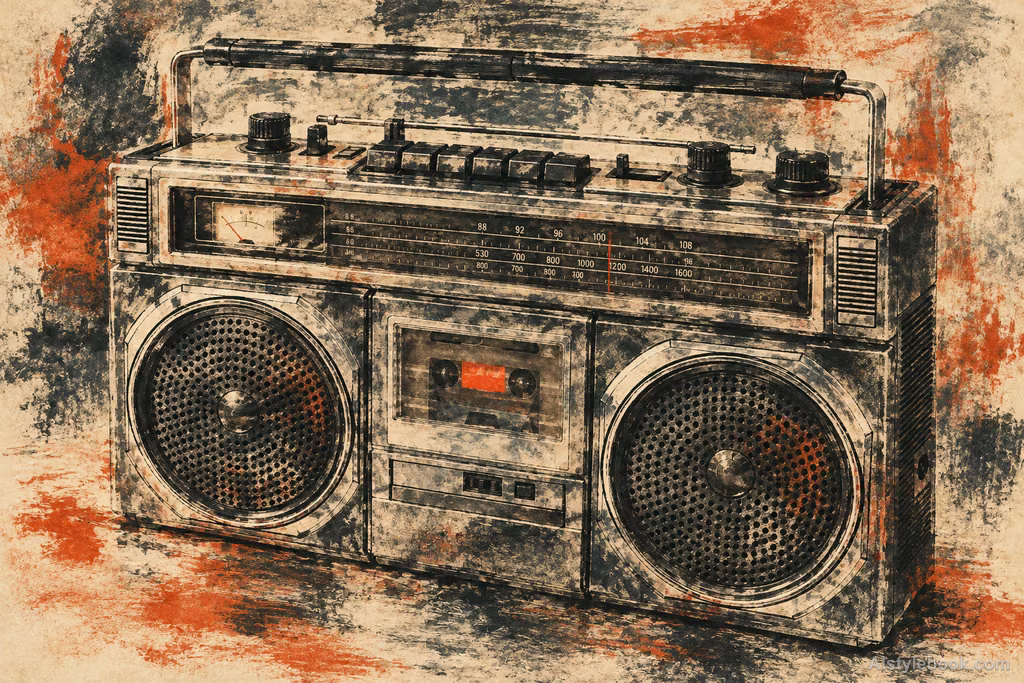
Thin ink, broad wiped highlights and soft transferred edges model the forms, with dragged ink and pale ghosting suggesting an accidental impression.
The visual language
What is Painterly Monotype?
Thin ink is spread and wiped on a smooth plate before pressure transfers it to paper. Broad light marks, soft edges and faint ghosts retain the chance character of the impression.
Monotype preserves pushed ink, wiped lights and transfer irregularities from a smooth plate.
A wiped profile against soft ink can combine deliberate drawing with the uncertainty of printing.
How the style changes different subjects
- Portrait
- The figure emerges through scraped, pressed or irregular color marks, with pose anchoring softened features.
- Landscape
- Terrain and plants merge into accidental textures as if discovered within the material.
- Objects
- Irregular marks interrupt exact surfaces, making silhouette and broad tones more important.
- Subjects
- Choose trees, rocks, clear portraits or simple still lifes with a readable shape anchoring the material variation.
Immediacy in a single impression
A monotype transfers the plate at one moment in the image’s development, preserving a distinctive immediacy and painterly marks.
Bring the style to your photos
Reusable style prompt for Painterly Monotype
Translate the image into a painterly monotype. Establish major color fields with thin flattened oil ink and reveal warm paper light through broad wiped passages. Place soft transfer edges, dragged ink marks and pale ghost impressions between existing contours, supporting deep values with a few decisive dark gestures. Vary transparency with wiping direction, retaining fine grain and pressure traces for a light, spontaneous impression with clear structure.Use the same style prompt for portraits, landscapes and objects.
Create with this styleKeep exploring


