
Illustration & Design
Food Illustration
Style guide
Clumsy geometric color blocks and fine lines merge into muted old-book print texture, with warm paper creating a modest, approachable character.
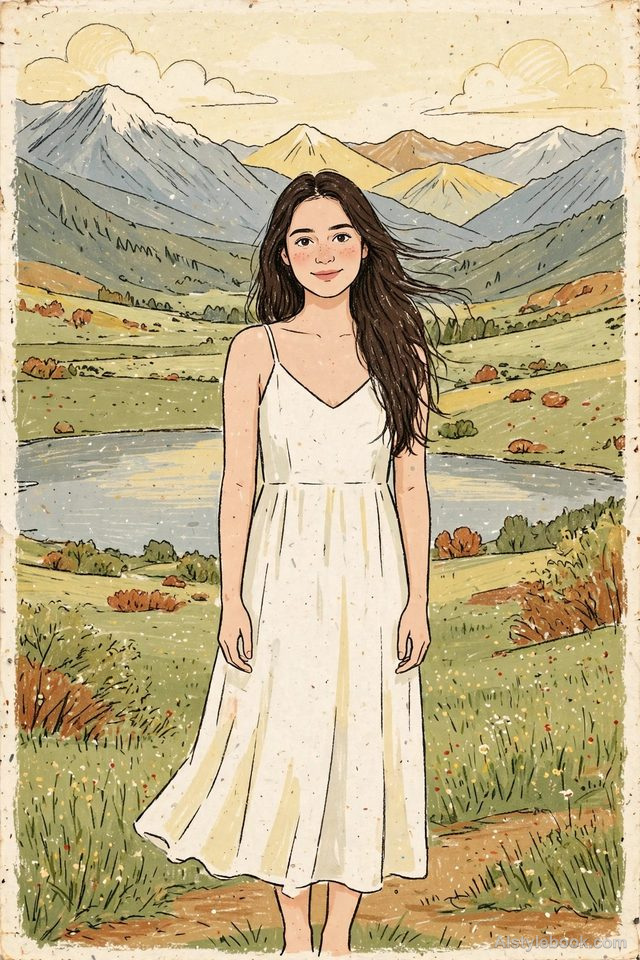
PortraitStyle effect
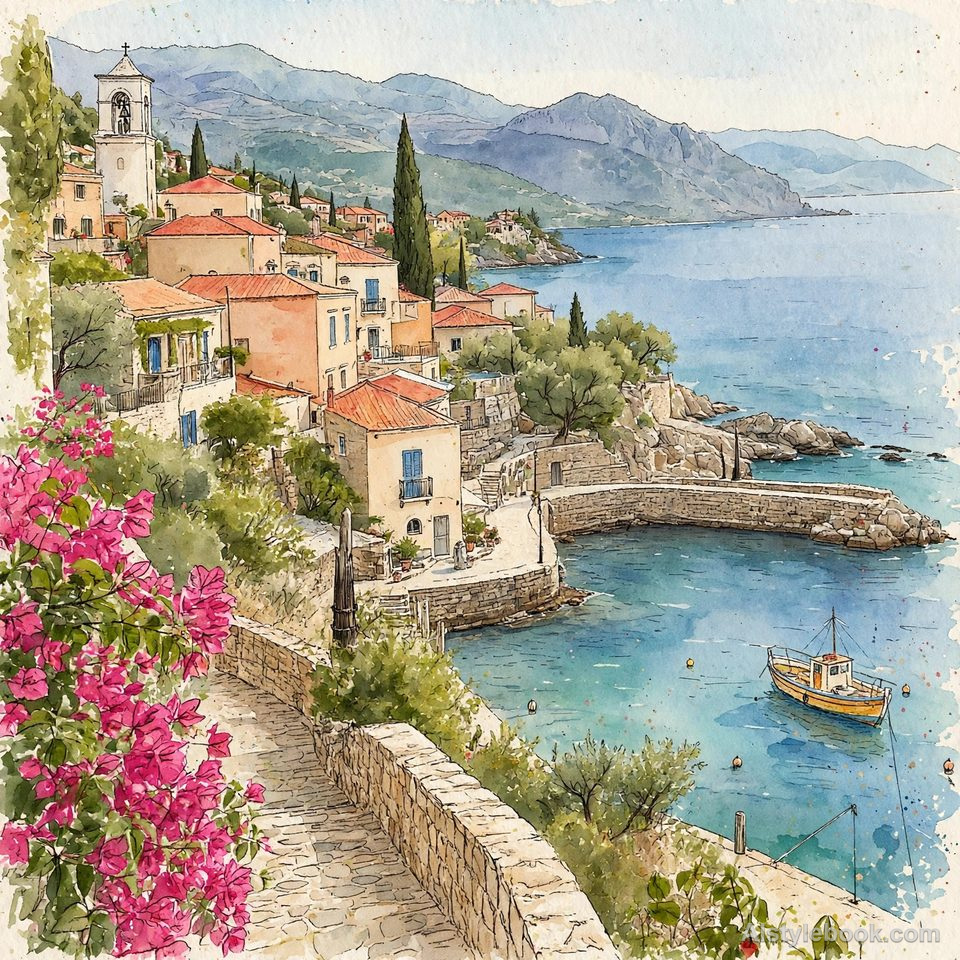
LandscapeStyle effect
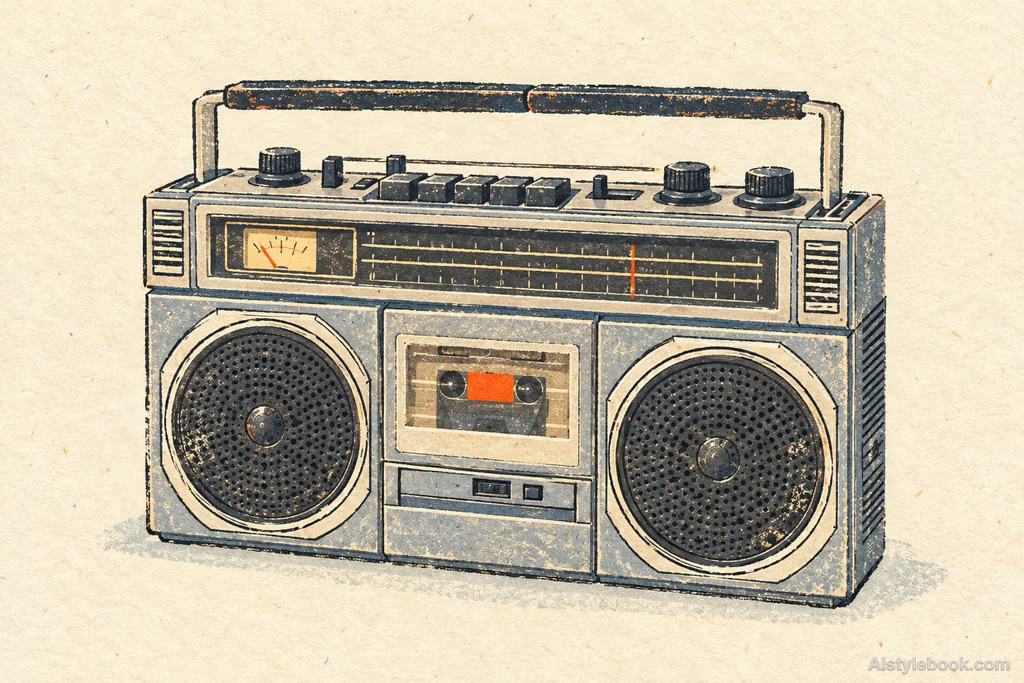
ObjectsStyle effect
The visual language
What is Food Illustration?
Slightly clumsy geometric planes and fine lines form modest images on warm paper, using muted cream, gray-blue and brick red. Exposed paper, fine grain and worn edges recall an old recipe book.
Food illustration can suggest taste through selected shapes and colors instead of photographic detail.
A bowl with a few vegetables and loose steam lines can feel like a familiar page from a recipe book.
How the style changes different subjects
- Portrait
- Loose illustrated figures emphasize expressions and dining gestures rather than skin detail.
- Landscape
- Soft lines and color unify table settings or street scenes into a compact illustration.
- Objects
- Food layers, cut surfaces and vessel edges become clearer, with appetizing drawn highlights.
- Subjects
- Choose food, drinks, tableware or readable dining gestures with distinct ingredient colors and shapes.
Bring the style to your photos
Reusable style prompt for Food Illustration
Reduce the subject to slightly clumsy geometric color blocks and fine hand-drawn lines. Allow contours to be a little crooked, broken, or misregistered without pursuing precise perspective. Use a few low-saturation cream, gray-blue, brick-red, and softly warm colors as flat layers, omitting complex lighting. Blend crayon, pastel, and old-book screen-print qualities through paper show-through, fine grain, and worn edges. Arrange forms simply on warm ivory paper with ample negative space.Use the same style prompt for portraits, landscapes and objects.
Create with this styleKeep exploring


