
Painting & Drawing
Mannerist Painting
Style guide
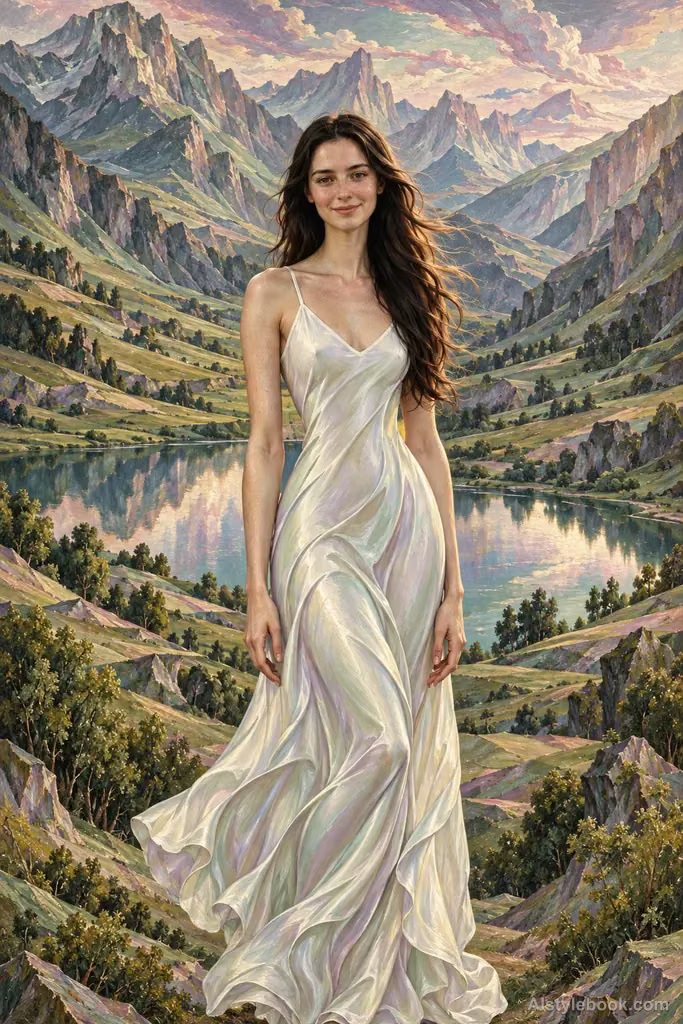
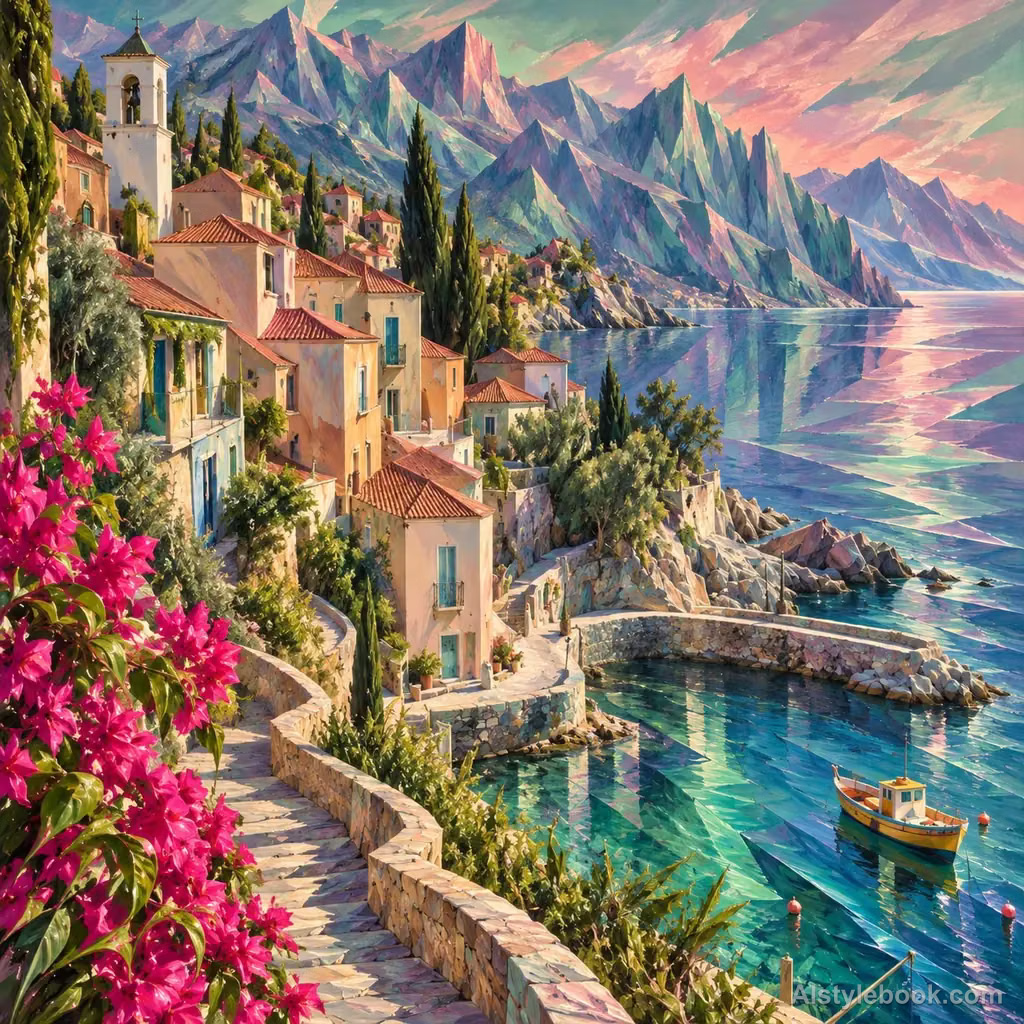
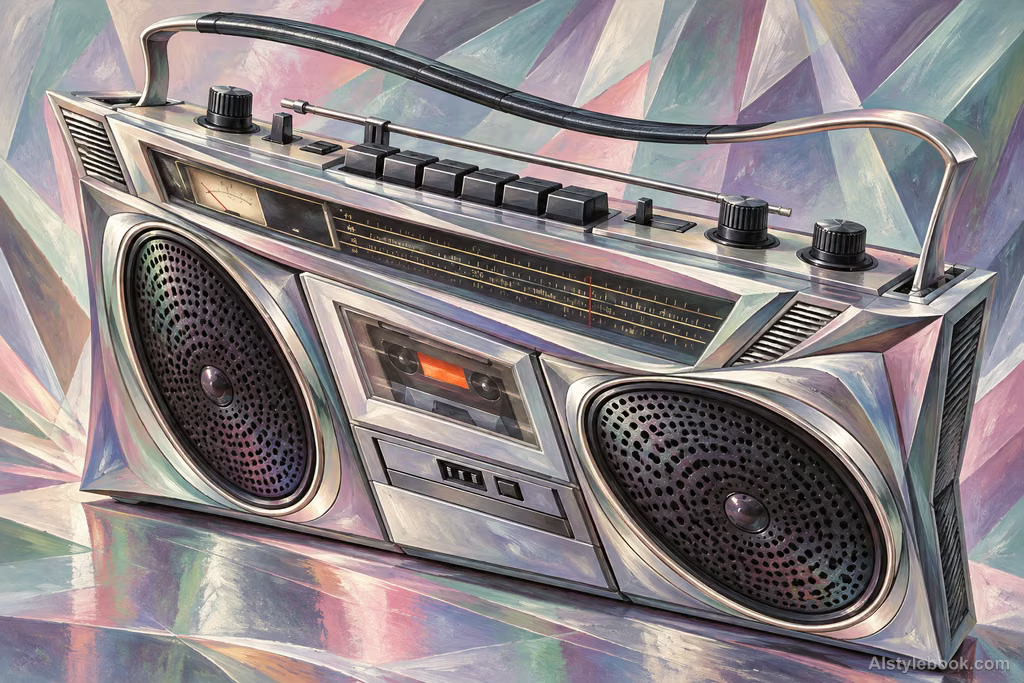
Elegantly elongated serpentine contours, cool shifting-color shadows and enamel-like oil paint create a tense, refined space.
The visual language
What is Mannerist Painting?
Elegantly extended contours form serpentine rhythms as diagonal planes tighten the space. Cool porcelain tones, acidic rose and shifting shadow colors combine with enamel-like paint for refined unease.
Mannerism can intensify elegance through elongated proportions and intricate poses.
An extended neck, opposing shoulder and hip turns, and compressed stairs can create refined spatial unease.
How the style changes different subjects
- Portrait
- Elongated proportions, hands and twisting folds give the figure an elegant but unsettled presence.
- Landscape
- Diagonal space and compressed perspective create tighter, more tense architectural relationships.
- Objects
- Necks, handles and curved surfaces elongate, with refined color and sheen adding strangeness.
- Subjects
- Choose full poses, slender stems, bottles or deep interiors where altered proportions can remain recognizable.
Experiments after the High Renaissance
Mannerism developed in sixteenth-century Italy and spread across Europe between the High Renaissance and Baroque periods, extending existing pictorial language through elongated forms and non-naturalistic space.
Bring the style to your photos
Reusable style prompt for Mannerist Painting
Reshape the image in the language of Mannerist oil painting. Elegantly elongated contours form serpentine rhythms, while space compresses into interlocking diagonal planes. Use porcelain-cool pale tones, acidic rose, mint green and lilac cangiante shadows, with enamel-smooth paint and sharp silver highlights. Organize the composition through flowing curves, deliberate proportional extension and tense planar relationships while keeping the subjects recognizable.Use the same style prompt for portraits, landscapes and objects.
Create with this styleKeep exploring


