
Illustration & Design
Marker Portrait
Style guide
Full bands from broad marker tips and clear overlapping seams form concise, forceful planes with handmade warmth.
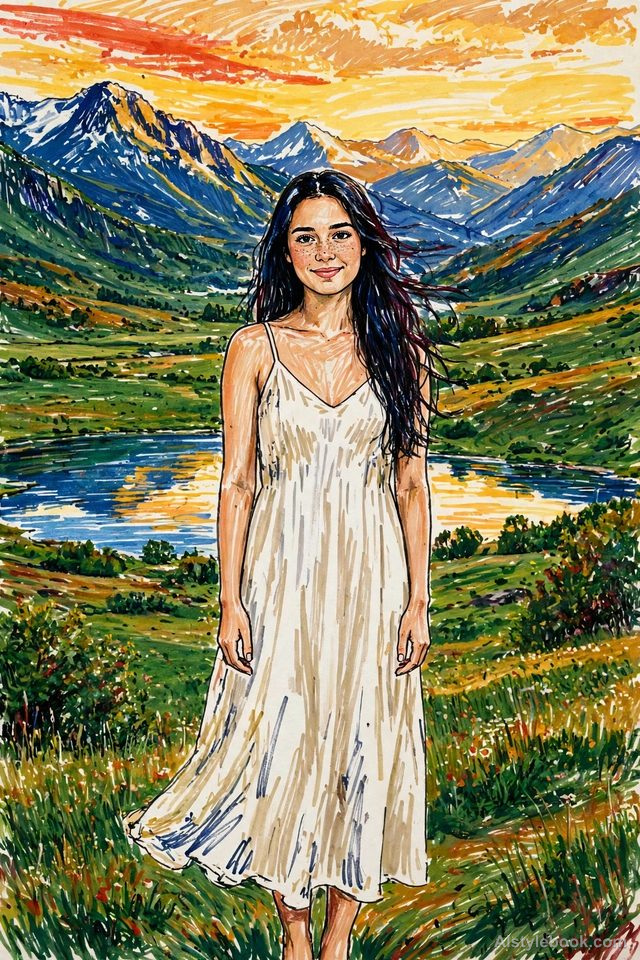
PortraitStyle effect
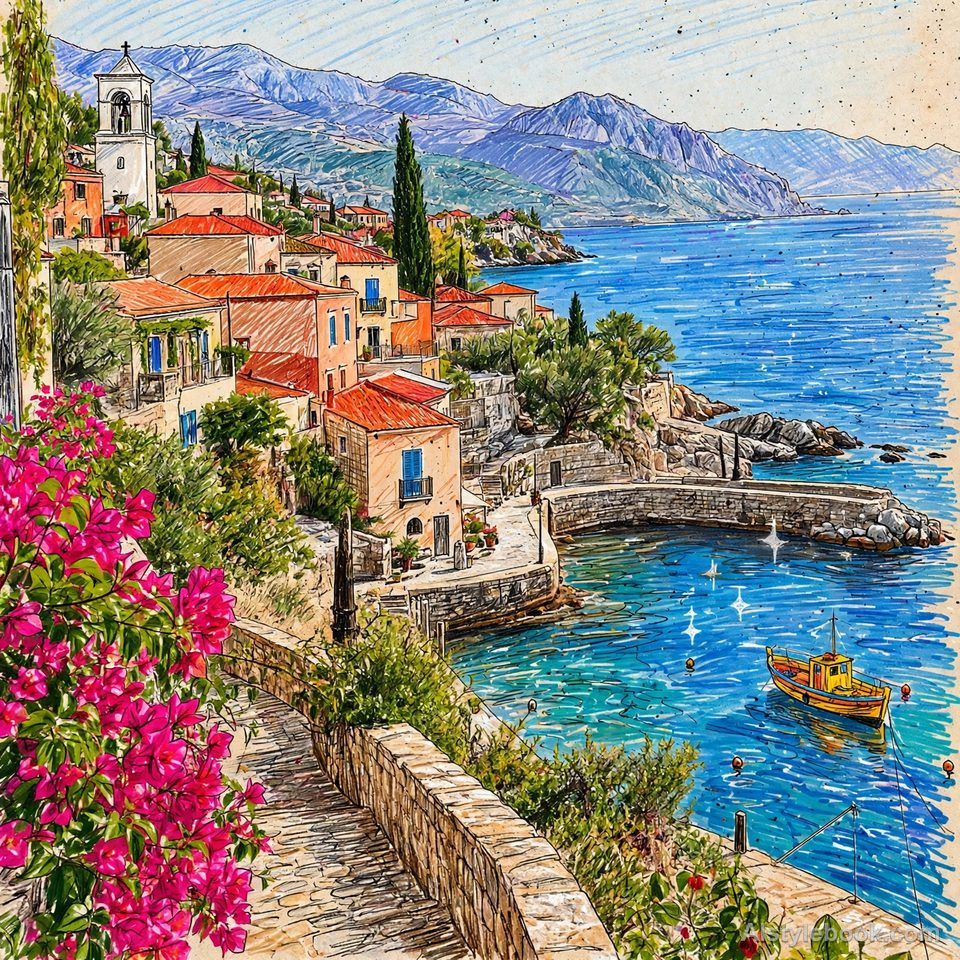
LandscapeStyle effect
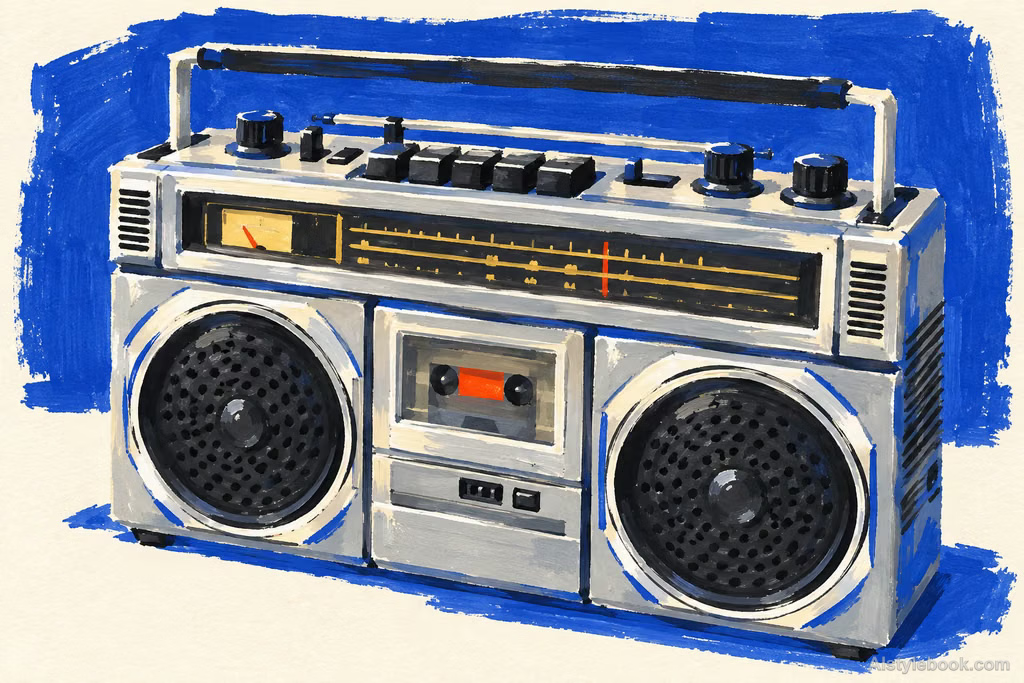
ObjectsStyle effect
The visual language
What is Marker Portrait?
Broad and narrow marker tips create clear bands, with darker overlaps and quick turns visible on paper. Decisive contours and limited tonal blocks preserve facial identity.
Broad marker strokes translate facial planes into directional bands of color.
One forehead stroke, two cheek strokes and a narrow nose shadow can establish a portrait without smooth photographic shading.
How the style changes different subjects
- Portrait
- Broad marker strokes simplify face and clothing; overlapping color adds depth and a lively expression.
- Landscape
- Bands of color group buildings, sky and plants, emphasizing composition over small detail.
- Objects
- Reserved highlights and wide directional marks give objects a simple, direct sense of volume.
- Subjects
- Choose clearly lit portraits, streets, footwear, bags or drinks large enough to show overlapping strokes.
Bring the style to your photos
Reusable style prompt for Marker Portrait
Reshape the subject with opaque acrylic paint markers. Use a broad chisel tip for full color fields, a medium tip for structure, and a few fine marks for identifying details. Preserve swept bands, angular turns, overlapping stroke seams, and skips across paper grain. Do not first outline everything uniformly in black. Distill four to six dense, clear colors, building force through a dominant color and a counter-color. Keep forms concise and shadows blocky, with interwoven broad and narrow strokes for a relaxed, vigorous handmade rhythm.Use the same style prompt for portraits, landscapes and objects.
Create with this styleKeep exploring


